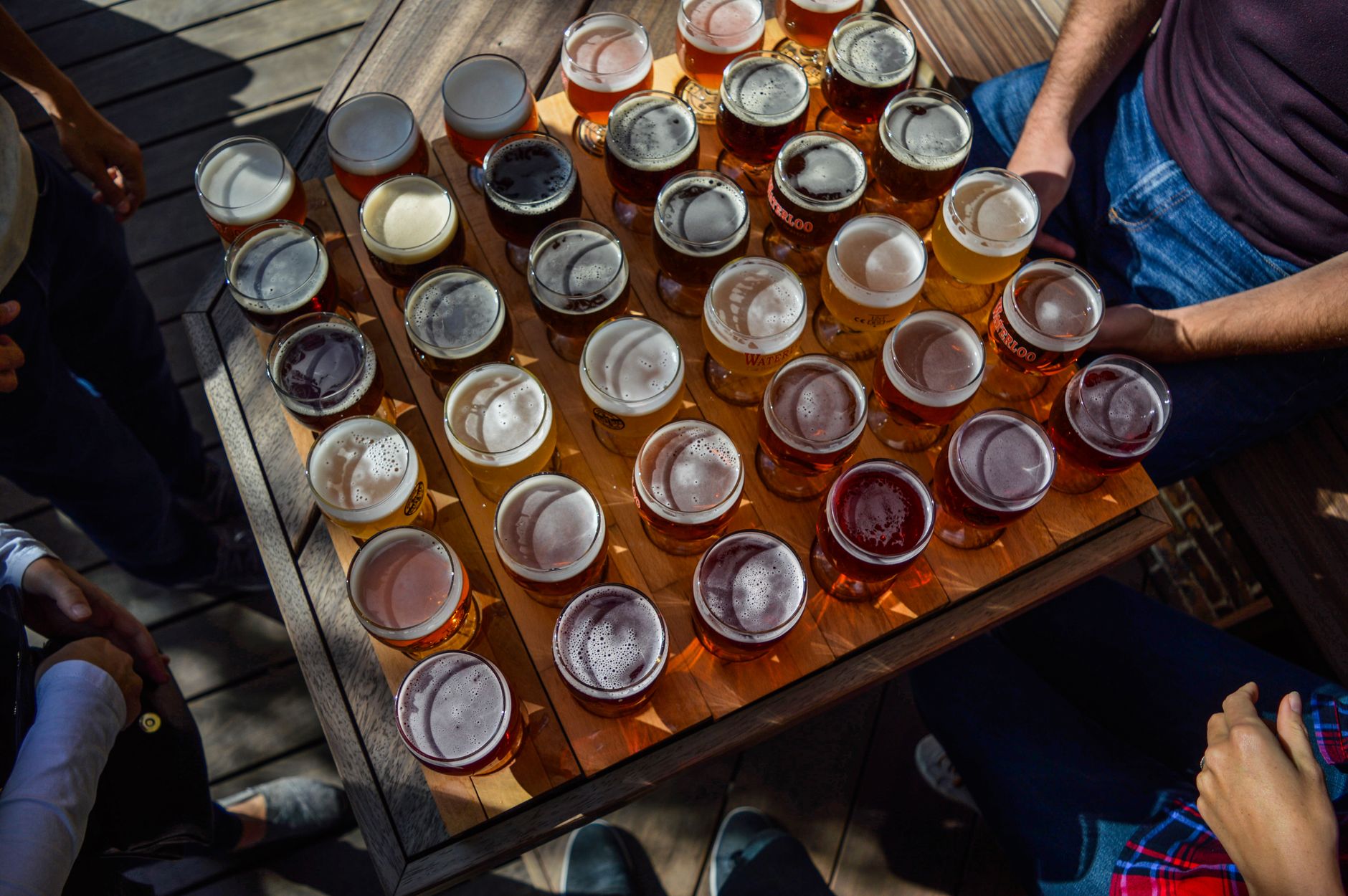
Beer styles are a useful starting point when choosing what to drink, but their names describe more than color or strength. Ingredients, fermentation, and finishing choices all help shape a beer’s flavor and body. Ales often bring fruitier aromas, while lagers tend to taste crisp and clean. Stouts are known for roasted notes, and styles such as IPAs and wheat beers offer their own recognizable traits. Understanding the basics can help you find a beer that suits your taste.
Ales and Lagers Start With Yeast
The broadest distinction between many beers is how they ferment. Ale yeast generally ferments at warmer temperatures and often produces fruity or spicy aromas. That does not mean every ale tastes sweet or heavy: pale ales can be refreshing, while Belgian-style ales may be expressive and complex. Hops and malt choices also have a major effect on the final flavor.
Lagers ferment with yeast that works at cooler temperatures, followed by a period of cold conditioning. This process often creates a smooth, clean profile that lets subtle malt and hop flavors stand out. Pilsners are typically pale and crisp, while amber lagers bring more toasted malt character. Both families include a wide range of strengths, colors, and textures.
Hops Shape IPAs and Pale Ales
India pale ales, or IPAs, are known for prominent hop flavor and aroma. Depending on the hop varieties and brewing choices, you may notice citrus, pine, tropical fruit, or herbal notes. Bitterness varies, too; a hazy IPA can feel soft and juicy, while a clear, classic IPA may have a firmer bitter finish. The style name alone does not guarantee a specific level of bitterness.
Pale ales usually offer a more balanced mix of malt and hops, though some can be quite hop-forward. Look for descriptions such as “citrusy,” “resinous,” or “toasty” to get a better sense of what is in the glass. If you are unsure, ask for a small pour or compare two beers side by side to notice differences in aroma and finish.
Stouts and Porters Bring Roasted Notes
Stouts and porters get much of their dark color and roasted flavor from darker malts. Common notes include coffee, cocoa, toast, and caramel. These flavors do not necessarily mean the beer contains coffee or chocolate; they can come from the malt itself. A dry stout may feel lean and roasty, while a sweeter stout may have a fuller body and a softer finish.
Color can make a dark beer look heavier than it tastes. Some stouts are smooth and surprisingly easy-drinking, while others are rich and filling. Check the description for clues such as “dry,” “oatmeal,” or “milk stout,” which point to different textures and levels of sweetness. Porters also vary, often offering roasted malt character with a range of lighter or richer finishes.
Wheat Beers and Other Styles
Wheat beers use a notable share of wheat malt, which can contribute a soft, rounded feel and a pale, hazy appearance. German hefeweizens often have banana or clove-like aromas from fermentation, while Belgian witbiers may bring citrus and spice. These beers are commonly refreshing, but their flavor depends on the recipe and yeast, not just the wheat.
Sours, amber ales, and Belgian ales show how widely beer can vary beyond the best-known categories. Sour beers may taste tart and bright, while amber ales often emphasize caramel or toasted malt. Belgian ales can range from light and peppery to strong and warming. When choosing, consider aroma, bitterness, sweetness, and body together rather than relying on color or style name alone.
Beer style names offer helpful clues, but tasting is the best way to learn what you enjoy. Start with a familiar category, then compare beers with different malt, hop, and fermentation profiles. Ask about flavor and body if a menu description is unfamiliar. Harbor Line Brewing can help you explore the options and find a style that fits your preferences.