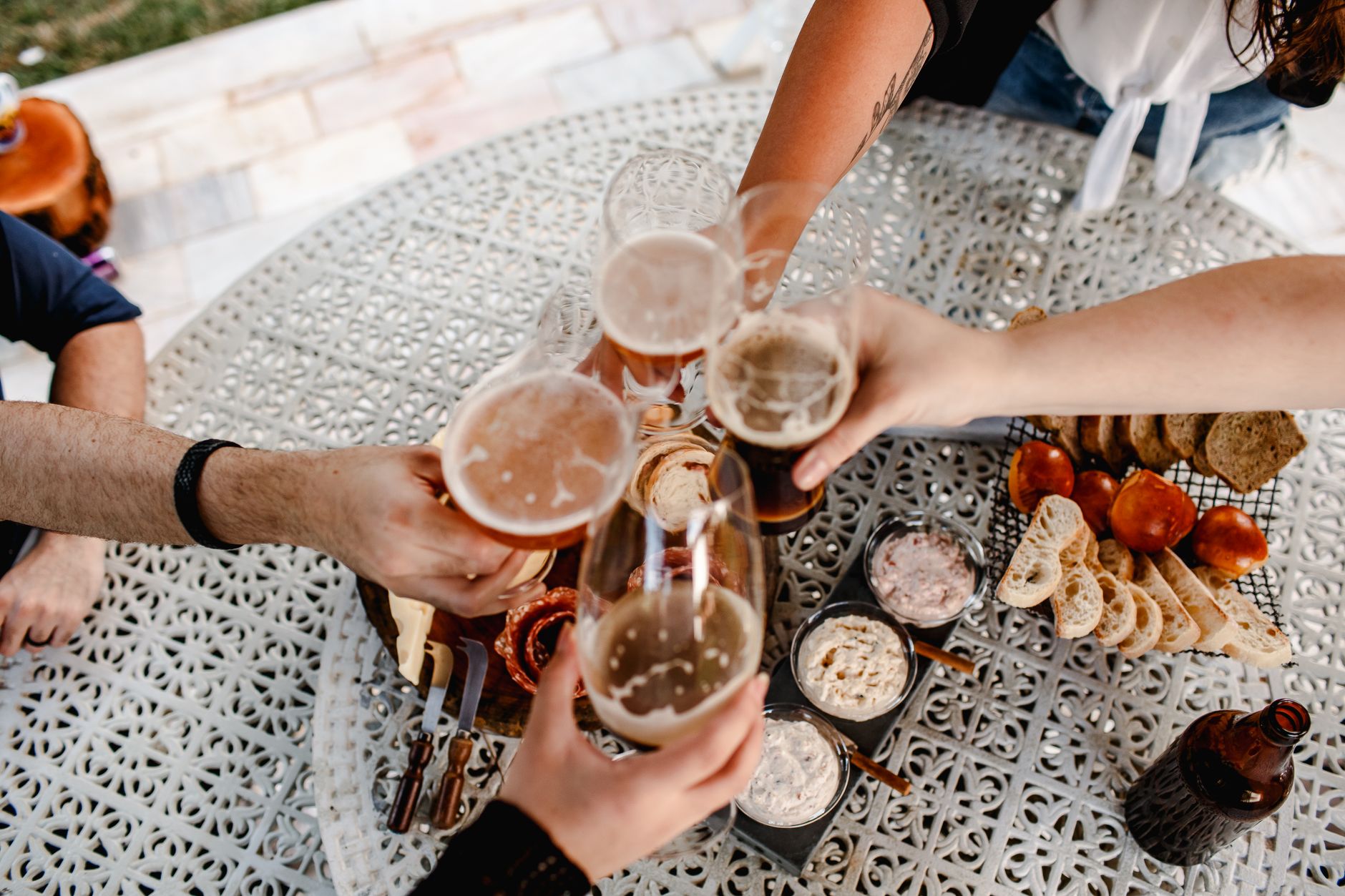
Choosing beer for a gathering is easier when you focus on variety, food, and the kind of occasion you’re hosting. You don’t need an extensive lineup or deep knowledge of brewing. A few familiar styles can cover guests who prefer crisp and light flavors, fuller-bodied beers, or something with a little more character. Use the menu and setting as a guide, then include at least one option that feels easy to enjoy for a wide range of palates.
Start With Familiar Styles
For a refreshing, straightforward choice, consider a lager or pilsner. These beers are typically crisp and clean, making them a reliable fit for casual get-togethers, warm afternoons, and a range of snacks. A pale ale offers more noticeable hop flavor while remaining approachable for many drinkers. If you’re unsure what guests like, these familiar styles make useful starting points.
Wheat beers can bring a softer texture and gentle citrus or fruit notes, depending on the beer. They work well for guests who want something flavorful without a strongly bitter finish. For people who prefer richer flavors, a porter or stout may suit the occasion, especially alongside hearty food or dessert. Check the brewery’s description, since flavor and strength vary by beer.
Match Beer to the Occasion
Think about the pace and setting before choosing your lineup. For a backyard cookout or informal open house, emphasize refreshing options that guests can sip over time. A dinner party may call for beers with enough flavor to complement the menu, while a tasting get-together can feature a few contrasting styles in smaller pours. Keep the selection easy to understand so guests can choose without needing a guide.
The food can help narrow your choices. Crisp lagers often pair comfortably with grilled foods, salty snacks, and lighter dishes. Pale ales can stand up to burgers, sharp cheeses, or spiced foods. Wheat beers can complement salads and lighter fare, while darker beers may work well with roasted flavors or chocolate desserts. Treat these as starting points, not strict rules; personal preference matters.
Plan for Different Tastes
A balanced selection usually includes a light, easy-drinking beer and a more flavorful alternative. Add a wheat beer or another distinctive style if you want a third choice. If you know guests enjoy hop-forward beers or dark styles, include one, but avoid making every option intense. Clear labels or a brief description of each beer’s general flavor can help guests pick confidently.
Ask guests about preferences when you plan the gathering, especially if you’re hosting a smaller group. Also provide nonalcoholic drinks, water, and food; not everyone will want beer, and guests may switch to other drinks during the event. If you’re serving beer in cans or bottles, chill them in advance and keep a separate supply cold so you can replenish as needed.
Serve Thoughtfully
Serve each beer at a temperature that lets its flavors come through, rather than making every style ice-cold. Follow the brewery’s serving guidance when available. If you’re pouring from a keg or growler, use clean glassware and pour gently to avoid excessive foam. For packaged beer, keep cans and bottles chilled and open them as guests are ready to drink.
Plan quantities around the length of the gathering, the number of guests, and whether you’ll offer other drinks. Buy a mix that makes it easy to replenish popular choices without overcommitting to a style you haven’t tried. For unfamiliar beers, sample one before the event and note its flavor, bitterness, and strength so you can describe it accurately.
Choose a few approachable styles, let the food and occasion guide your picks, and make room for different preferences. A simple, well-considered lineup can make ordering easier and help guests find a beer they enjoy. If you’re exploring local options, Harbor Line Brewing can help you compare styles for your gathering.